
Subject of the article: Psychological interpretation of children’s drawings
تفسیر روانشناختی نقاشی کودکان زیر ۷ سال
Subject of the article: Psychological interpretation of children’s drawings


Islamic Azad University
Central Tehran Branch
Subject of the article: Psychological interpretation of children’s drawings
under 7 years old
Name of the first author: Mrs.Dr Aisa Hekmat
OH.D.in graphics and art research member of the faculty of arts Islamic Azad University Tehran Branch
Name of the second author: Alireza Babaei
Master’s student in the field of graphic design Islamic Azad University central Tehran branch and also teacher of the secondary level of education in Isfahan province
Spring 1403
Introduction :
In the introduction of this article we will introduce our article .in this
article we tried to provide training for the growth and development of
children in the field of art and painting These trainings have been
effective due to the authors efforts and scientific research which is the
result of interviews with the best and best tearcher’s and psychologists
and the best scientific books in this field which we hope will lead to the
development and growth of children in interested in art and painting
we can be effective with the help of respected families.
Abstract:
Prominent and great psychologists in the theory of staged development
of art in 1929 challenged the development process of children’s
drawings for examination and testing in the first stage (2 years old
children) there is reality in the pictures and only irregular lines on the
paper. There are usually on realistic details in children’s drawings. At
this stage children confocus on a variety of tangled lines to represent
objects. In this stage children learn to create a scene in the rest of
article we want to examine these three stages by presenting example of
children’s drawing at different ages. The linear stage usually starts at the
beginning of the second year and ends when the child is 3 years old
from the development of the activity although children’s show
enthusiasm when drawing research shoes that the act of drawing and
drawing is enjoyable for them with colored pencils or pastels the child’s
shows his interest. At about 21 months the children start’s to put his
lines within the boundaries of the paper despite the fact that the child
still does not hold the pencil quite correctly but this is reason why a
child at this age can demarcate lines and push them out of the paper. A
child sees a person or object significantly larger than himself he draws I
the painting.
Psychological interpretation of the drawing of children under 7 years
Old :
Childhood drawing ids one of the favorite activities of children. Usually
draw enthusiastically with joy and pleasure. Although these activities
are mostly just ignored by adults with a smile and indifference it will be.
Why is it important to analyze the drawing of children under 7 years old
From :
A psychological point of view? In this article we want to introduce you
to the analysis of children’s drawings by developing psychological
theories and psychological studies in this article we describe how
drawings can be a representation of children’s understanding of the
world and also a means to express their thoughts and emotion
What do great psychologists say about children’s drawing?
In the following year the four stages cognitive development were
modified by new theorists of psychology and classified into piaget’s
modern theory .
Psychological interpretation of children’s drawing under 7 years old:
Childhood painting is one of the favorite activities of children children
are usually enthusiastic and happy they enjoy painting .although these
activities are mostly just ignored adult with a smile and in difference
becomes the reason foe this is that in human communication speech is
the main means of communication .while for children speaking is
considered as one of the most important milestones in children’s
development to be the process if speaking is a slow process and
children gradually learn to use it. Speech development comes from the
daily communication between children and adults for this reason
children often they prefer to express emotional experience such as
happiness or fear through painting and not directly through words to
share .
Why is it important to analyze the drawing of children under 7 years old
from:
A psychological point of view? in this article we want to introduce you
to the analysis of children’s drawings by developing psychological
theories and psychological studies. In this article we describe how
drawings can be a representation of understanding children from the
world and also a means to express their thoughts and emotion
What do great psychologists say about children’s drawing?
Piaget (the famous and great psychologist in the theory of stage
development in 1929 considered the development process of children’s
drawings as a part of stages of stage development and also classified
this process in to 4 stages of cognitive development. In the following
years those four stage of cognitive development by new modern theory.
Three stages of child development:
Stage 1 sensorimotor stage (0 to 2 years):
From 13 to 20 months of age babies are able to coordinate two
independent actions and reactions and connect them in real time.at
this age the relationship between colored pencils as a means and they
find paper as a surface on which they can transfer colored pencils and
produce patterns. They can hold a colored pencil and focus on the
marks they make on the paper or in other words make a line
The meaning of scribble in children’s drawing:
At this stage there is no reality in the pictures just irregular lines on
paper it seam that there is nothing but sometimes the child skills what
is called accidental realism. That is when that the lines are done and
you can see shapes in them.
Profiles in the psychology of children’s drawings:
At this age children try to produce thing that they see with their eyes
which maybe the simplest: things like the face fingers cars trees, houses
kills There are usually no realistic detaile’s in children’s drawings. At the
end of this stages they add special things that represent their ideas to
the painting such as flowers in front of the house or clothes on the
Cheban images.
Stage 2 interrelation stage (2) to 5 years:
This stage children can focus on different types of lines together to
represent objects first they learn to draw different patterns for example
horizontal and vertical lines or circles then they learn to combine them
to represent an object like the human sun with even a bicycle
Stage 3 the next stage (5 to 10 years):
At this stage children first learn to create a show and a sence at the age
of 6 they are more than human they also draw the earth and the sky in
the painting also we should know that they are a very different
representation of one day can paint a person but at first they are unable
to focus on the third dimension since about 8 years old children begin
to distinguish between fore ground and background scenes and children
as young 10 years old can introduce a middle ground as well as a for
ground and background in the painting we want to countinue the
article lets examine these three stages more by presenting example of
children’s drawings at different ages.
Scribing stage (15 months to 3 years):
The first stage of development of children’s artistic activity is called the
calligraphy stage. This stage usually continues until then end of the
child’s third years and leads to the creation of the first meaningful
image of the child from the point of view of psychology there is still no
clear point of veiw regarding the start of the period of this artistic
activity. According to some psychologists children get to know art
materials before they are one year old i.e crayons water colors, crayon
etc while other psychologists claim that before the child is two years
old we ca n not talk about performing artistic activities. For example
painting there fore determining the exact age of starting artistic
activities depends on what we accept as artistic activities and the
dynamics of the child’s personal development has it but often with in
this range seti(15 months to 3 years old)during the scribble stage
children di not create meaningful images. they simply drop colored
pencils or pastels on a sheet of paper these lines also show their
relationship with the child mental and physical development age which
the children depicts The linear stage usually begins at the beginning of
the second year and ends when the child is at the end of 3 years old but
it should be noted that he duration and dynamics of the development
stages of children’s activities are different. The first graphic diagrams
appear randomly as the child tries to move the pencils on the paper. In
those first attemts it is obvious that the child interested I the pencil and
not in the footprints it leaves behind or the image crated from it on the
paper. In fact child does not always use a pencil for line drawing but
when he discovered that he can draw shapes with it. After that he will
always try to draw the shape he wants through the lines the first line
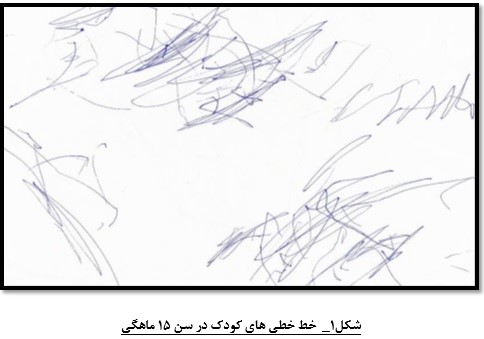
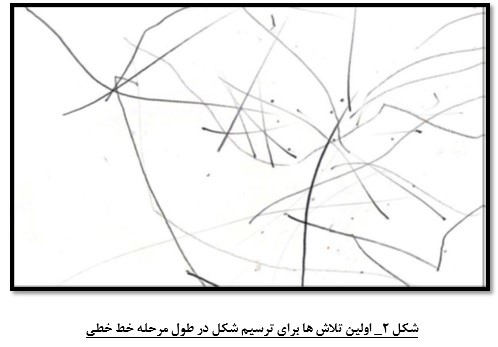
look quite clumsy and often look like which you can see in figure 1 and2
Picture1: the scribbles of a child at the age of 15 months
Picture2: the first attempts to draw the figure during the scribble stage
The age at which children begin to paint:
At this age of 18 months as the child begins to again more ability to
hold a pencil with effort he also begins to draw by himself according to
psychological theories the availability of a spontaneous line shows that
the growing child has it is the ability to perceive an object and draw it
with lines at this age of activity development although children shows
enthusiasm when drawing but the research shows that only the act of
painting and drawing is enjoyable for them and not what is drown on
paper and the result of the painting it should be noted that after picking
up a pencil and drawing with colored pencils or pastels the child losses
interest in what he has drawn because the shapes and lines drawn on
the paper are not important for the child. Childrens drawings at the age
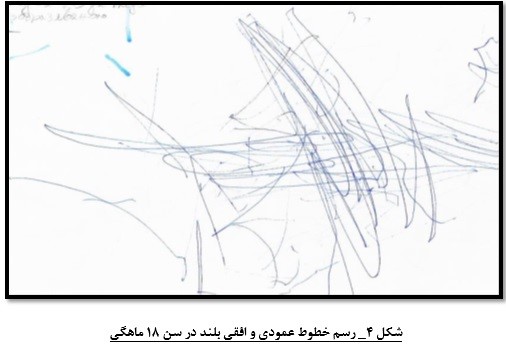
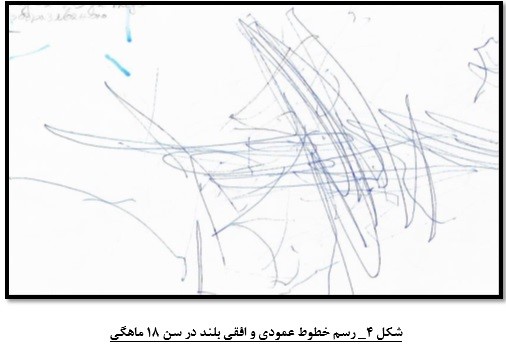
of 18 month usually fill the entire painting page and include vertical and
horizontal lines
It is diagonal at this stage children are still not able to consider the
borders and edges of the work sheet pay attention to figures 3 and 4
which are examples of this issue. They how an 18 month old child
spontaneously and enthusiastically draws lines that may even have a
fixed and regular direction also these two forms indicate that the child
is on the margins paper does not care.
Picture4: drawing long vertical and horizontal lines at age of 18 months
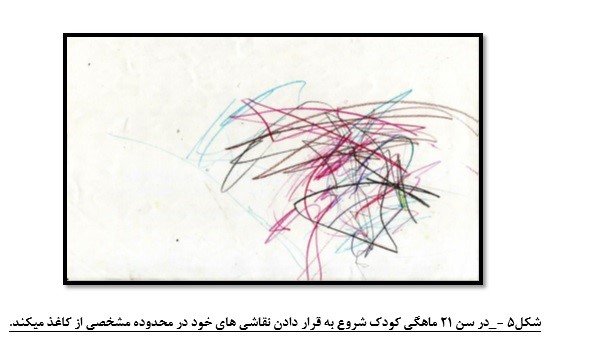
Around the age of 21 month the child starts to put his scribbles within
the boundaries of the paper psychologists define this as the first step in
mastering the linear steps technique despite the fact that the child still
does not hold the pencil quite correctly hid scribbles are more visible
and under control than before this is the reason why a child at this age
can demarcate lines and not go beyond the limits of the paper. The type
of line during this stage has a uniform length and thickness and is also
often draw in the same direction

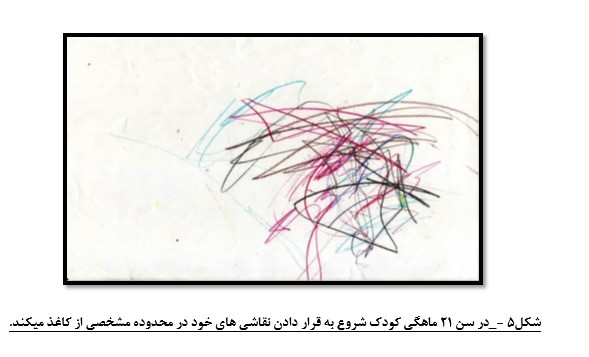
Picture5: at age of 21 months the child starts to put his drawings in certain limits of paper
When should I consult a child psychologist?
According to art therapy and international expert mishal and yammer
regarding the analysis of children drawing parent’s educators and
mental health professionals do not seek to analyze children’s drawings
with the sole purpose of identifying fear
Conclusion
Regarding the conclusion of this article the following points can be
mentioned Examining and teaching tips of children’s painting age until
reaching the peak and flourishing of the child at the age of 18 months
as he starts to hold a pencil in his hand he starts to line the paper. This
stage is one of the most important and beginning of the stages in the
teaching of children’s painting and it is necessary to encourage the child
at this stage and not suppress his interest so that he becomes
interested in this field at the next and older ages and in the following
stages and find talent in this direction. parents should also provide
facilities for the child when the child shows interest and talent is found
not avoid any support but should help the child so that he can use all
his energy. Empty yourself and reach the peak of prosperity.
Source and reference:
۱)the result of the interview with Mr. Ahmad Azizpour the teacher of
Isfahan province education academy and also lecturer at Sepehr and
Ragheb Esfahani university (Isfahan)
۲)the result of the interview with Mr. Kamran Mozafari the teacher of
Esfahan collage of education and also lecturer at Sepehr and Ragheb
esfahani
۳)some of the contents of the book creativity in children’s painting
written by Fatemeh Hafezi birkani
۴)some contents of Naqash bashi book written by miss Nasreen Busak
۵)some contents of the book the passion of childhood: painting
emotions written by ruby rad burn Ellen Thacjer
Translator: Masoumeh Yagoubi
موضوع مقاله : تفسیر روانشناختی نقاشی کودکان زیر ۷ سال
نام مولف اول : دکتر آیسا حکمت
دکتری گرافیک و پژوهش هنر عضو هیئت علمی دانشکده هنر تهران مرکزی
نام مولف دوم : علیرضا بابائی
دانشجوی کارشناسی ارشد رشته گرافیک گرایش تصویرسازی دانشگاه آزاد اسلامی
واحد تهران مرکزی و همچنین مدرس مقطع متوسطه دوم آموزش و پرورش استان اصفهان
بهار ۱۴۰۳
مقدمه
در مقدمه این مقاله به معرفی مقاله خود می پردازیم . در ایـن مقالـه سعـی نمودیـم بـه
آموزشهایـی بپردازیم در جهت رشد و شکوفایی و استعدادیابی کـودکان در زمینـه هنـر و نقـاشی .
در ایـن مـقاله مواردی را مورد بحث و بررسی قرار دادیم کـه در جهت استعدادیـابی کودکان در این
رشته مؤثر بوده . این آموزش ها توسط تـلاش ها و کـوشش هـا و تحقیقـات علمـی نویسنـده بـوده
که نتیجه مصاحبـهبـا بهترین و برترین مدرسـان و روانـشناسـان و بـرترین کتـاب های علمـی در
ایـن زمینـه بـوده کـه امیدواریـم در جـهت پیشرفت و رشد و شکوفایی کودکان علاقه مند به هنر و
نقاشی بتوانیم بـه کمک خانـواده های محتـرم مؤثـر واقـع شویـم .
چکیده :
(روانشناسان مطرح و بزرگ در نظریه رشـد مرحله ای هنر در کودکان) در سـال ۱۹۲۹ رونـد رشـد نقاشی
هـای کودکان را برای بررسی و آزمایش به چالش کشاندنـد . در اولـین مرحلـه (۲سالگی کودکان) در تـصاویر
هیچ واقعیتی وجود ندارد و فقط خطوطی نامنظم بر روی کاغذ هستند. معمولا هیـچ جـزئیات واقـع بینانـه ای
در نقـاشی هـای کودکان وجـود نـدارد. این مرحلـه کودکان می توانند بر روی انـواع خـط هـای درهـم برای
نمـایشی از اشیـا تمرکـز کنند. در ایـن مرحلـه کودکان ابتـدا یاد می گیرند تـا نمایش و صحنـه ای را خلق
کنند. در ادامه مقاله می خواهیم بیشتـر بـه بررسی ایـن سه مرحله با ارائه نمونه هایی از نقاشی های کـودکان
در سنیـن مختلـف بپـردازیـم . اولین مـرحله تـوسعه فـعالیت هنـری کـودکان مرحـلـه خط خطـی نـامیده
می شـود. مرحلـه خط خطـی معمولاً از ابتدای سال دوم آغاز میشود وهنگامی کـه کـودک در اواخـر ۳
سالگـی مـی باشد ایـن مرحلـه به پـایان میرسد، امـا بـاید توجه کـرد کـه مـدت زمـان و پویایی مراحل رشد
فعالیت کودکان متفاوت است.در ایـن مرحلـه از رشد فعالیت، اگرچه کودکان شور و شوق هنگام نقاشی از خود
نشان می دهنـد، امـا تحقیقـات نـشان مـی دهد که صرفـاً خـود عمـل نـقاشی و تـرسیم کردن بـرای آنـها
لذت بخش است . قابـل ذکر است کـه بعـد از بـه دست گرفتـن مداد و خط خطی کـردن بـا مداد رنگی یا
پاستل، کودک علاقه خود را نشلن می دهد . در حـدود ۲۱ ماهگـی کـودک شروع میکند تـا خط خطی های
خـود را در درون محـدوده کاغـذ قـرار دهـد. علیرغم این واقعیت کـه کودک هنوز مـداد را کـاملاً بـه طرز
صحیح در دست نگه نداشته است، اما بـه همیـن دلیل است که کودک در ایـن سن مـی تواند خط خطـی هـا
را مرزبندی کند و ازمحدوده کاغذ بیرون کند . کودک شخص یا شیئی را به طور قابل توجهی بزرگتر از خودش
در نقاشی ترسیم میکند .
تفسیر روانشناختی نقاشی کودکان زیر ۷ سال
نقاشی دوران کودکی یکی از فعالیتهای مورد علاقه کودکان میباشد. کودکان معمولاً مشتاقانه با شادمانی و
لذت نقاشی می کشند . گرچه این فعالیت ها اکثراً فقط با لبخند و بی توجهی از طرف بزرگسالان نادیده گرفته
میشود .
چرا تحلیل نقاشی کودکان زیر ۷ سال از دیدگاه روانشناسی مهم است؟
در این مقاله می خواهیم با توسعه نظریه های روان شناسی و مطالعات انجام گرفته شده از نظر روانشناسی شما
را با تحلیل نقاشی کودکان آشنا کنیم. در این مقاله توصیف میکنیم که چگونه نقاشی ها می توانند نمایشی از
درک کودکان از جهان و همچنین وسیله ای برای بیان افکار و عواطف آنها باشند.
روانشناسان بزرگ درباره نقاشی کودکان چه میگویند ؟
در سالهای بعد آن چهار مرحله رشد شناختی توسط نظریه پرداز های جدید روانشناسی اصلاح و به نظریه
مدرن پیاژه طبقه بندی شد.
تفسیر روانشناختی نقاشی کودکان زیر ۷ سال
نقاشی دوران کودکی یکی از فعالیتهای مورد علاقه کودکان میباشد. کودکان معمولاً مشتاقانه با شادمانی و
لذت نقاشی می کشند. گرچه این فعالیت ها اکثراً فقط با لبخند و بی توجهی از طرف بزرگسالان نادیده گرفته
میشود. دلیل این امر این است که در ارتباطات انسانی گفتار اصلیترین وسیله برقراری ارتباط محسوب می شود؛
در حالیکه برای کودکان گفتار و سخن گفتن به عنوان یکی از مهمترین نقاط عطف رشد کودکان محسوب می
شود. فرایند تکلم یک روند آهسته است و کودکان به تدریج یاد می گیرند که از آن استفاده کنند. پیشرفت در
گفتار و سخن، از ارتباطات روزمره کودک با بزرگسال ناشی میشود. به همین دلیل کودکان اغلب ترجیح میدهند
تجربیات عاطفی خود را مانند شادی و یا ترس را از طریق نقاشی و نه مستقیم از طریق کلمات به اشتراک
بگذارند.
چرا تحلیل نقاشی کودکان زیر ۷ سال از دیدگاه روانشناسی مهم است؟
در این مقاله می خواهیم با توسعه نظریه های روان شناسی و مطالعات انجام گرفته شده از نظر روانشناسی شما
را با تحلیل نقاشی کودکان آشنا کنیم. در این مقاله توصیف میکنیم که چگونه نقاشی ها می توانند نمایشی از
درک کودکان از جهان و همچنین وسیله ای برای بیان افکار و عواطف آنها باشند.
روانشناسان بزرگ درباره نقاشی کودکان چه میگویند ؟
پیاژه (روانشناس مطرح و بزرگ در نظریه رشد مرحله ای) در سال ۱۹۲۹ روند رشد نقاشی های کودکان را به
عنوان بخشی از مراحل رشد مرحله ای در نظر گرفته بود و همچنین این روند را در ۴ مرحله رشد شناختی
طبقه بندی کرد.
در سالهای بعد آن چهار مرحله رشد شناختی توسط نظریه پرداز های جدید روانشناسی اصلاح و به نظریه
مدرن پیاژه طبقه بندی شد.
سه مرحله از مراحل رشد کودک
مرحله ۱: مرحله حسی حرکتی (۰ تا ۲ سال):
از ۱۳ تا ۲۰ ماهگی نوزادان قادر به هماهنگی انجام دو عمل کنش و واکنش مستقل از هم میشوند و آنها را در
زمان واقعی به هم متصل می کنند.
آنها در این سن، روابط بین مداد رنگی به عنوان وسیله و کاغذ به عنوان یک سطح که می توان مداد رنگی را
روی آن انتقال داد و الگوها را تولید کرد، مییابند.
آنها می توانند یک مدادرنگی را دست بگیرند و روی علامت هایی که روی کاغذ می گذارند تمرکز کنند و یا به
عبارتی دیگر خط خطی کنند.
معنای خط خطی کردن در نقاشی کودکان
در این مرحله در تصاویر هیچ واقعیتی وجود ندارد و فقط خطوطی نامنظم بر روی کاغذ هستند. به
نظر می رسد که چیزی وجود ندارد اما گاهی کودک چیزی را می کشد که به آن واقع گرایی اتفاقی
می گویند . یعنی زمانی که خط خطی ها انجام شده و شما می توانید شکل هایی را در آنها ببینید .
پیش نمایه ها در روانشناسی نقاشی کودکان
در این مرحله کودکان سعی می کنند چیزهایی را تولید کنند که با چشم می بینند. آنها ممکن است ساده ترین
چیزها مانند :صورت ، انگشتان ، ماشین ها ، درخت ها ، خانه ها را بکشند .
معمولا هیچ جزئیات واقع بینانه ای در نقاشی های کودکان وجود ندارد. در پایان این مرحله آنها چیزهای خاصی
را که عقایدشان را نشان میدهد به نقاشی می افزایند مانند گل در جلوی خانه یا لباس بر روی تصاویر چسبان .
مرحله ۲ : مرحله ارتباط متقابل (۲ تا ۵ سال)
این مرحله کودکان می توانند بر روی انواع خط های درهم برای نمایشی از اشیا تمرکز کنند. ابتدا آنها یاد
میگیرند که الگوهای متفاوتی را بکشند. به عنوان مثال خطوط افقی و عمودی یا دایره .
سپس آنها یاد می گیرند که آنها را با هم ترکیب کنند تا نمایانگر یک شی، مثل خورشید، انسان یا حتی یک
دوچرخه باشد.
مرحله ۳ : مرحله بعدی ( ۵ تا ۱۰ سال )
در این مرحله کودکان ابتدا یاد میگیرند تا نمایش و صحنه ای را خلق کنند. در ۶ سالگی آنها علاوه بر انسان،
زمین و آسمان را هم در نقاشی می کشند. همچنین باید بدانیم که آن ها نمایش بسیار متفاوتی از یک شخص را
می توانند نقاشی کنند . اما در ابتدا آنها قادر به تمرکز بر بعد سوم نیستند. از حدود ۸ سالگی کودکان شروع به
تمایز بین صحنه پیش زمینه و صحنه پس زمینه می کنند. و کودکان ۱۰ ساله می توانند در نقاشی “یک زمین
میانه” و همچنین یک پیش زمینه و پس زمینه را معرفی کنند.
در ادامه مقاله می خواهیم بیشتر به بررسی این سه مرحله با ارائه نمونه هایی از نقاشی های کودکان در سنین
مختلف بپردازیم.
مرحله خط خطی کردن ( ۱۵ ماه تا ۳ سال):
اولین مرحله توسعه فعالیت هنری کودکان مرحله خط خطی نامیده می شود. این مرحله معمولا تا پایان سه
سالگی کودک ادامه پیدا میکند و منجر به ایجاد اولین تصویر معنادار کودک میشود.
از نظر روانشناسی در رابطه با زمان شروع انجام دوره اول این فعالیت هنری هنوز هیچ دیدگاه روشنی وجود
ندارد. به گفته برخی از روانشناسان کودکان قبل از یک سالگی با مواد هنری یا همان مداد رنگی، آبرنگ، مداد
شمعی و غیره آشنا می شوند. در حالی که سایر روانشناسان ادعا میکنند که قبل از دو سالگی کودک، نمی
توانیم درباره انجام فعالیت های هنری به عنوان مثال نقاشی صحبت کنیم.
از اینرو تعیین سن دقیق شروع فعالیت های هنری به آنچه ما به عنوان فعالیت هنری میپذیریم به پویایی رشد
شخصی کودک بستگی دارد. اما اغلب در این محدوده سنی( ۱۵ ماهه تا ۳ سالگی ) در دوره مرحله “خط خطی”
کودکان تصاویر معناداری ایجاد نمی کنند.
آنها به سادگی مداد رنگی یا پاستل را روی ورق کاغذی رها می کنند. این خط خطی ها همچنین ارتباط خود را
با سن رشد روانی_فیزیکی کودک نشان می دهد که کودک آن را به تصویر میکشد.
مرحله خط خطی معمولاً از ابتدای سال دوم آغاز میشود وهنگامی که کودک در اواخر ۳ سالگی می باشد این
مرحله به پایان میرسد، اما باید توجه کرد که مدت زمان و پویایی مراحل رشد فعالیت کودکان متفاوت است.
اولین نمودارهای گرافیکی به طور تصادفی در حالی که کودک در تلاش است تا مداد را روی کاغذ حرکت بدهد
ظاهر می شود. در آن اولین تلاش ها بدیهی است که کودک به مداد علاقه دارد و نه به رد پایی که از آن باقی
میگذارد یا تصویر ایجاد شده از آن بر روی کاغذ.
اولین تجلی فعالیت هنری در مرحله خط خطی معمولاً در حدود ۱۵ ماهگی اتفاق میافتد.
در واقع کودک همیشه از مداد برای خط خطی استفاده نمیکند، اما هنگامی که کشف کند که می تواند با آن
اشکالی رسم کند. بعد از آن همیشه سعی خواهد کرد تا بتواند از طریق خطوط اشکالی که خود می خواهد را
رسم کند.
اولین خطی ها کاملا دست و پا چلفتی به نظر می رسند و اغلب شبیه مواردی هستند که در ادامه در شکل ۱ و
۲ مشاهده میکنید.

سن آغاز نقاشی کردن کودکان
کودک در ۱۸ ماهگی همانطور که با کوشش، شروع به کسب توانایی بیشتر در مهارت گرفتن مداد میکند شروع
به خط زدن خود به خود نیز می کند .
در دسترس بودن خط خطی خود به خودی با توجه به نظریه های روان شناسی نشان می دهد که کودک در
حال رشد دارای توانایی است که یک شی را درک کند و توسط خطوط آن را ترسیم کند.
در این مرحله از رشد فعالیت، اگرچه کودکان شور و شوق هنگام نقاشی از خود نشان می دهند، اما تحقیقات
نشان می دهد که صرفاً خود عمل نقاشی و ترسیم کردن برای آنها لذت بخش است و نه آن چیزی که بر روی
کاغذ کشیده می شود و نتیجه نقاشی می باشد.
قابل ذکر است که بعد از به دست گرفتن مداد و خط خطی کردن با مداد رنگی یا پاستل، کودک علاقه خود را
به آنچه که کشیده است از دست می دهد؛ زیرا برای کودک شکل ها و خط هایی که کشیده شده در کاغذ است
اهمیتی ندارد.
نقاشی های کودک در ۱۸ ماهگی معمولاً کل صفحه نقاشی را پر میکند و شامل خطوط افقی، عمودی و یا
مورب است. در این مرحله کودکان هنوز هم قادر به به در نظر گرفتن مرزها و حاشیه های ورق کاغذ نمی
باشند.
به شکلهای ۳ و ۴ که نمونهای از این موضوع هستند توجه کنید. آنها نشان می دهند که چگونه کودک ۱۸
ماهه به صورت خودجوش و با علاقه خطوطی ترسیم میکنند که ممکن است حتی این خطوط جهت ثابت و
منظمی داشته باشند. همچنین این دو شکل باز به این نکته دلالت می کنند که کودک به حاشیه های کاغذ
توجهی ندارد.
در حدود ۲۱ ماهگی کودک شروع میکند تا خط خطی های خود را در درون محدوده کاغذ قرار دهد.
روانشناسان این را به عنوان اولین گام در تسلط بر تکنیک مرحله خط خطی تعریف می کنند.
علیرغم این واقعیت که کودک هنوز مداد را کاملاً به طرز صحیح در دست نگه نداشته است، اما خط خطی های
او نسبت به قبل بیشتر قابل بینش، دیدن و تحت کنترل است.
به همین دلیل است که کودک در این سن می تواند خط خطی ها را مرزبندی کند و از محدوده کاغذ بیرون
نزند. نوع خط در حین این مرحله طول و ضخامت یکنواختی دارد و همچنین اغلب در جهات یکسان کشیده می
شود.
چه زمانی باید با یک روانشناس کودک مشورت کنم؟
به گفته هنر درمان و متخصص بین المللی میشال ویمر در مورد تجزیه و تحلیل نقاشیهای کودک والدین،
مربیان و متخصصان سلامت روان به دنبال این نیستند که نقاشیهای کودکان را تنها با هدف شناسایی ترس و
ناراحتی مورد تجزیه و تحلیل قرار دهند و یا تغییر رفتارهای قابل توجهی را ایجاد کنند. نقاشیها ابزاری اضافی و
به راحتی در دسترس برای درک رفتار روزانه کودک هستند . در حقیقت، توسط چندین مطالعه و محقق
مشخص شده است که کودکانی که بیشتر نقاشی میکنند در واقع خلاقتر و باهوشتر هستند.
بعضی اوقات کودکان ممکن است چیزهای ترسناکی را ترسیم کنند: سلاح، آتش، افراد عصبانی، جنگ و غیره.
در حالی که کشیدن نقاشی عجیب و غریب خوب است، اما اگر این یک روند متداول در نقاشی کودکان شما
باشد، ممکن است بخواهید با یک روانشناس کودک مشورت کنید. مراقب کودک در منزل در این زمینه به شما
کمک میکند. برخی از مواردی که مشاوره با روانشناس ممکن است ضروری باشد عبارتند از:
کودک مرتباً تصاویر خشن را ترسیم میکند .کودک شخص یا شیئی را به طور قابل توجهی بزرگتر از خودش
رد نقاشی ترسیم میکند کودک قسمتهای بدن جدا شدهای را برای چهرههای انسانی ترسیم میکند او از
رنگهای تیره و تصاویر ناخوشایند بسیار استفاده میکند مهم است که به طور کلی به تصویر کودک نگاه کنیم.
هرگز به تفسیر خود در مورد نقاشیهای فرزند خود اعتماد نکنید. آنها میتوانند چیزهای کاملاً مضحک و
دیوانه وار و خنده دار بکشند! به یاد داشته باشید که از فرزندتان سؤال کنید که چه چیزی ترسیم کرده است.
پشت هر شکلی معنی خاصی وجود دارد.
نتیجه گیری :
در خصوص نتیجه گیری از این مقاله می توان به نکات زیر اشاره نمود .
بررسی و آموزش نکاتی در جهت آغاز سن نقاشی کردن کـودکـان تـا رسیـدن به اوج و شکوفایـی کـودک در
18ماهگـی همانطور که شروع به گرفتن مداد در دست می کند ، شروع به خـط خطـی کردن کاغـذ می کنـد .
ایـن مـرحله از مـهم ترین و آغاز مراحل در آموزش نقاشی کودکان اسـت و بایـد در همین مرحلـه کـودک را
تـشویق نـمود و علایـق او را سرکوب نکنیم تا در سنین بعدی و بالاتر و مراحـل بـعدی به ایـن رشته علاقه مند
و در این جهت استعدادیابی شود و باید اولیاء نیز زمانی که کودک از خود علاقه نـشان داد و استعدادیـابی شـد
امکانـات را برای کودک فراهـم نـموده و از هرگونه حمایت اجتناب نپذیرند بلکه کودک را یاری کنند تا بتوانـد
تمـام انـرژی خـودش را خالـی و به اوج شکوفـایی برسید .
منابع و مأخذ
۱- نتیجه مصاحبه با جناب آقای احمد عزیزپور مدرس هنرستان آموزش و پرورش استان اصفهان و همچنین
مدرس دانشگاه سپهر و راغب اصفهانــی (اصفهان)
۲- نتیجه مصاحبه با جناب آقای کامران مظفری مدرس هنرستان آموزش و پرورش استان اصفهان و همچنین
مدرس دانــشگاه سپـهر و راغب اصفهانـی (اصفهان)
۳- برخی از مطالب کتاب خلاقیت در نقاشی کودکان به نویسندگی فاطمه حافظی بیرکانی
۴- برخی از مطالب کتاب نقاش باشی به نویسندگی سرکار خانم نسرین بوساک
۵- برخی از مطالب کتاب کتاب شوق و شور کودکی : نقاشی احساسات به نویسندگی روبی رادبرن، الن تاچر
مترجم : معصومه یعقوبی
انتهای پیام/*