

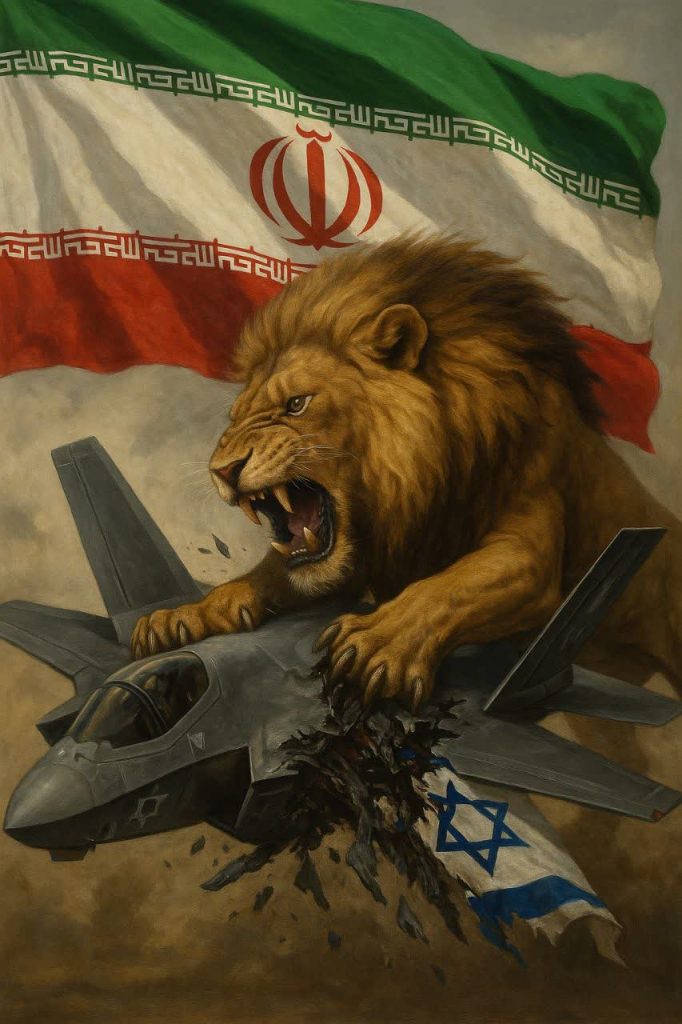
Written by Dr. Mehdi Omidvar, journalist for the AhalNews media platform
At first, everything seemed simple. By eliminating Iran’s proxies, the path to directly confront Iran would be straightforward. The first move was in Syria, where—with intense pressure and coordinated actions from various powers—they managed, through diplomatic negotiations with Russia, to expel Iran and its allies from Syria.
This was the beginning of a war of attrition aimed at weakening Iran’s position in the Middle East. After Syria, in a seemingly orchestrated plan, some individuals within Israel opened fire on others during a celebration, giving a pretext for attacking Hamas forces.
Israel, by assassinating Ismail Haniyeh in Iran, signaled its intention to strike the most significant regional opponent. However, due to economic challenges and declining national popularity, Iran attempted to avoid direct confrontation with Israel.
Once again, Israel, utilizing its intelligence and espionage apparatus—and in defiance of international norms—resorted to targeted assassinations and aerial strikes. This time, it killed leaders of Hezbollah. For the third time, Israel tried hard to drag Iran into a conflict, one where Israel would control the timing and terrain, by eliminating Iran’s closest Lebanese allies who had previously defeated Israel in direct warfare.
In response, Iran, for the first time, directly retaliated against Israeli military aggression using its older missiles and advanced Iranian-made drones. This strike revealed that the Iron Dome wasn’t so impenetrable after all, and Israel realized the timing for a direct war with Iran was not ideal. From that point, Israel—with the backing of American Zionist lobbies—focused on strengthening its defensive walls and offensive capabilities, upgrading its fighter jet fleet, mapping out strategic plans for attacking Iran, deploying spies within the country, and counting on a newly elected American president with a messianic complex—who sometimes, it seems, sees Nero in his reflection.
This new U.S. president declared that he would end the wars in Ukraine and Gaza, halt China’s economic rise, and bring Iran to the negotiating table. However, he has so far failed on all fronts, which only fuels his determination to make a decisive move regarding Iran.
But there is one critical miscalculation in the American and Israeli equation: they have fundamentally underestimated Iran’s military capabilities and national strength.
Iran is not like the other countries Israel has quickly destabilized to assert regional dominance. Iranians do not make peace with invaders while the sword of domination hangs over their heads. History proves this. Though the Islamic Republic may not enjoy 100% popularity, and though there are internal critiques of its policies and governance, when a foreign invasion threatens the nation, most Iranians unite to defend their homeland.
At that moment, political views, social class, or cultural differences don’t matter. What matters is Iran’s sovereignty and strength—values that run deep in every Iranian heart. And this is exactly what foreign strategists failed to grasp.
Given recent events, Israel must either continue the war—risking its carefully constructed image of hegemony—or retreat and face a loss of power. In either case, the United States will be forced to get involved, aligning with Israel. And this is precisely what Russia has been waiting for: for America to be dragged into a long, exhausting conflict, just as it has been in Ukraine.
The Iran-Israel war, if it escalates, will undoubtedly involve the U.S. and its European allies on one side, and Russia and China on the other. The balance of global power demands it. The era of uni-polar U.S. dominance must end, and this war presents Russia and China with the perfect opportunity to dismantle American hegemony.
If Russia and China abandon Iran at this crucial moment, they will forfeit their path to superpower status by 2030.
The only viable path left for the U.S. may be to accept a ceasefire—one that reveals Israel has failed to display its military might, and that Iran is no longer afraid of the so-called global superpower. On the new negotiating table, previous options no longer exist. America will have to compromise, and Iran will come to the table with stronger bargaining power.
To preserve its global leadership until 2030, the U.S. must now engage with Iran politically, economically, and militarily. America and Israel had hoped that Iran’s internal divisions and political tensions would serve their strategy. But rather than weaken Iran, the Israeli offensive has united its people. What was once a fragmented society is now more cohesive.
Iranians inherently reject domination. For them, almost anything is preferable to foreign submission. And this, too, was missing from the pre-war calculations, or was misjudged based on field reports.
The Iranian government should take heed: to prevent foreign powers from exploiting such moments, it must strengthen not only military power but also foster national pride. This element has been neglected for years. A reevaluation of national identity and pride is urgently needed in state policies.
What can best safeguard the Islamic Republic is not just military strength but the support of a nationally motivated population.
Furthermore, by eliminating corruption and the so-called “elite genes,” the government can partially restore its legitimacy in the eyes of the people.
Based on all of this, the Iran-Israel war has three possible trajectories
- Russia and China abandon their ambitions to become superpowers and opt for short-term economic gains—allowing the war to continue in Israel and America’s favor. This is the least likely outcome, as neither power wants to surrender the global chessboard to an aging hegemon.
- Russia and China provide military, economic, and political (diplomatic) support to Iran, leading to a prolonged war that ultimately favors Iran. In this scenario, East and West clash directly, ending in a ceasefire and renewed negotiations where Iran holds stronger cards.
- The U.S. and Israel’s bet on internal unrest in Iran pays off, resulting in foreign powers stepping in as “saviors” of the Iranian people. This would fracture Iran, possibly creating small, puppet governments. This is the worst-case scenario—not just for Iran, but also for Russia and China. Such an outcome would delay their emergence as global superpowers until well beyond 2030.
- Dr.Mahdi Omidvar
- the end of massage










سلام بر شما مرد میدان